 By Lance Montana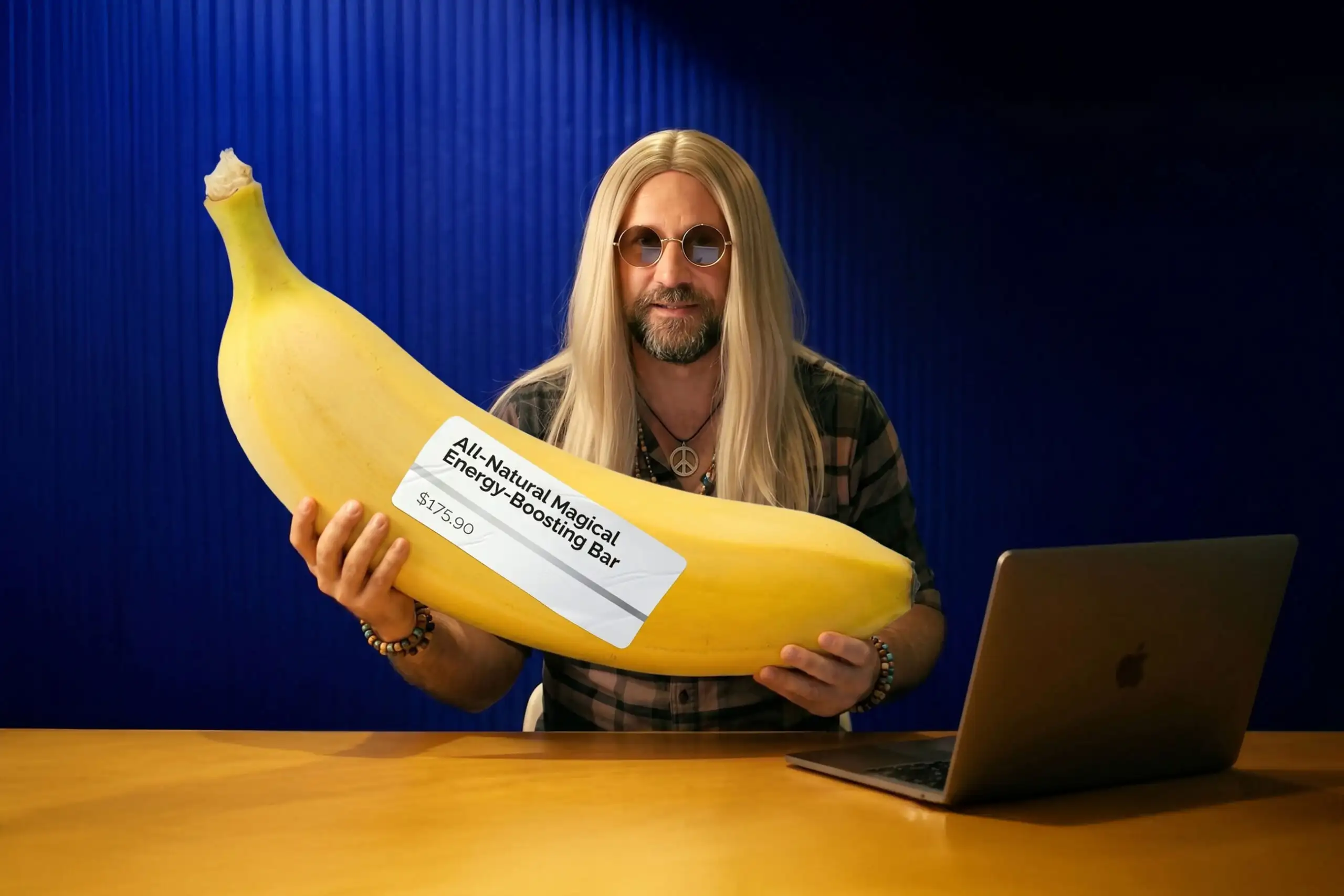
 By Lance Montana
Google has unveiled Gemini Omni, its next-generation AI video model for Gemini.
Think Nano Banana, but for video. It can generate video from text, turn images into moving footage, remix existing clips, and edit videos using simple, plain-language prompts. Change the background. Swap outfits. Adjust lighting. Replace characters. Create an AI avatar that looks and sounds like you, easily and effectively.
So now your digital twin can go on a Maldives holiday while you continue the work/life grind. Rude, but efficient.
What makes Omni feel different is the way it brings text, images and video into one workflow. Instead of generating a clip and hoping the AI understood the assignment, users can keep refining specific parts of the video – and get a great result. It feels less like starting again every time something looks wrong, and more like directing the edit as you go.
For businesses, the upside is obvious: faster content, cheaper testing, more campaign variations and fewer barriers between an idea and an asset.
But when everything can be generated, nothing gets believed for free. The value placed on creating video drops, and the value on strategy, taste, and message increases.
The question is no longer, “Can you make content?” It’s, “Do people trust it? And do they actually connect with it?”
For brands, that might just be the most important marketing question of the next decade. Because while reality may be optional, strategy is not.
Apple’s new behind-the-scenes MacBook Neo short feels like a very deliberate course correction.
After the backlash to its soul-crushing “Crush!” iPad Pro ad (which we covered in our Marketing Nightmares edition of The Brief), where a hydraulic press flattened basically every symbol of human creativity into one shiny device, Apple seems to have remembered that people do not love seeing technology literally destroy culture. The ad was meant to say “look how much creativity fits in this device.” What many people saw was “Silicon Valley eats the arts for breakfast”.
So now we get the opposite image: practical effects, handmade models, real materials, camera tricks and a little peek behind the curtain.
Before you get ahead of yourself, this is not Apple going anti-AI; the world’s biggest tech companies are not suddenly forming a knitting circle and rejecting automation. But it is Apple recognising that craft is an essential brand asset. And if every brand is capable of generating a glossy visual, showing the not-so-perfect human input behind the polish now becomes part of the sell.
In 2024, YouTube introduced AI content labels, applying these to content when creators disclosed they had used AI tools. As of May 2026, YouTube is making those labels more visible, and automatically slapping them on videos it detects as including “significant photorealistic AI use.”
These labels will appear under long-form videos and as overlays on Shorts. Which means we’ve reached a very strange point in internet history: AI is now being used to spot other AI.
But the labels do matter, because they change the way people watch.
An AI fantasy dragon? Fine. Fun. Give him a tiny sword.An AI-generated political clip, fake testimonial, fake expert, fake “day in the life” or founder sob story? Different story.
The issue is not whether brands use AI. The issue is whether they use it to make things clearer, faster and more useful, or whether they use it to fake trust. Audiences can tolerate AI-assisted, but they are much less forgiving of AI-disguised-as-human.
Creators can challenge an AI label in YouTube Studio if they think their content has been incorrectly flagged, but not every label can be removed. YouTube says some will stay permanently, including videos made with YouTube’s own AI tools, like Veo, or content carrying metadata that confirms it was fully AI-generated.
From a business and marketing perspective, brands and creators absolutely need to be transparent about their use of AI, but it does raise some interesting questions. What will they deem as significant AI use? What happens if most of your video is real, but one scene is AI-generated? Or if you’ve used AI for caption generation, colour grading, or background removal?
YouTube’s labels don’t currently present that nuance to viewers, but perhaps they should, because, in our opinion, “AI-assisted” and “AI-generated” are very different things – and an “AI-generated” label may change the audience’s perception before they’ve even watched it.
Spotify is verifying artists on its platform who come in human form.
Spotify has announced a new “Verified by Spotify” badge for artists who meet its rules, have consistent listeners, and have an “identifiable artist presence both on and off the platform.”
AI-generated music became a big issue last year after The Velvet Sundown, a rock band with more than a million Spotify streams, turned out to be entirely AI-generated. It sparked backlash (and embarrassment) from listeners who had believed the band was real. Shortly after they were exposed, Vinyl Group (who own Rolling Stone AU/NZ), bought their website and turned it into an AI education platform.
Verification used to be about popularity or impersonation, and now it’s becoming about humanity. Who made this? Is there a person behind it? Is this artist real, or is it a content farm in an AI-generated bucket hat?
Transparency appears to be a common thread here. Content creators need to be honest about what people are engaging with.
Audiences might be curious about synthetic content, and they might even enjoy it. But they do not like feeling duped, especially when the whole appeal depends on believing there is a real person, story or talent behind it.
The Ordinary’s fake grocery store, The Markup Marché, is a masterclass in making a brand belief instantly understandable.
The activation ran in cities including Toronto, London, São Paulo and Melbourne, and took everyday grocery items and marketed them the way many beauty and wellness products are. A banana became a $175 “All-Natural Magical Energy-Boosting Bar.” A coconut became an overpriced hydration vessel.
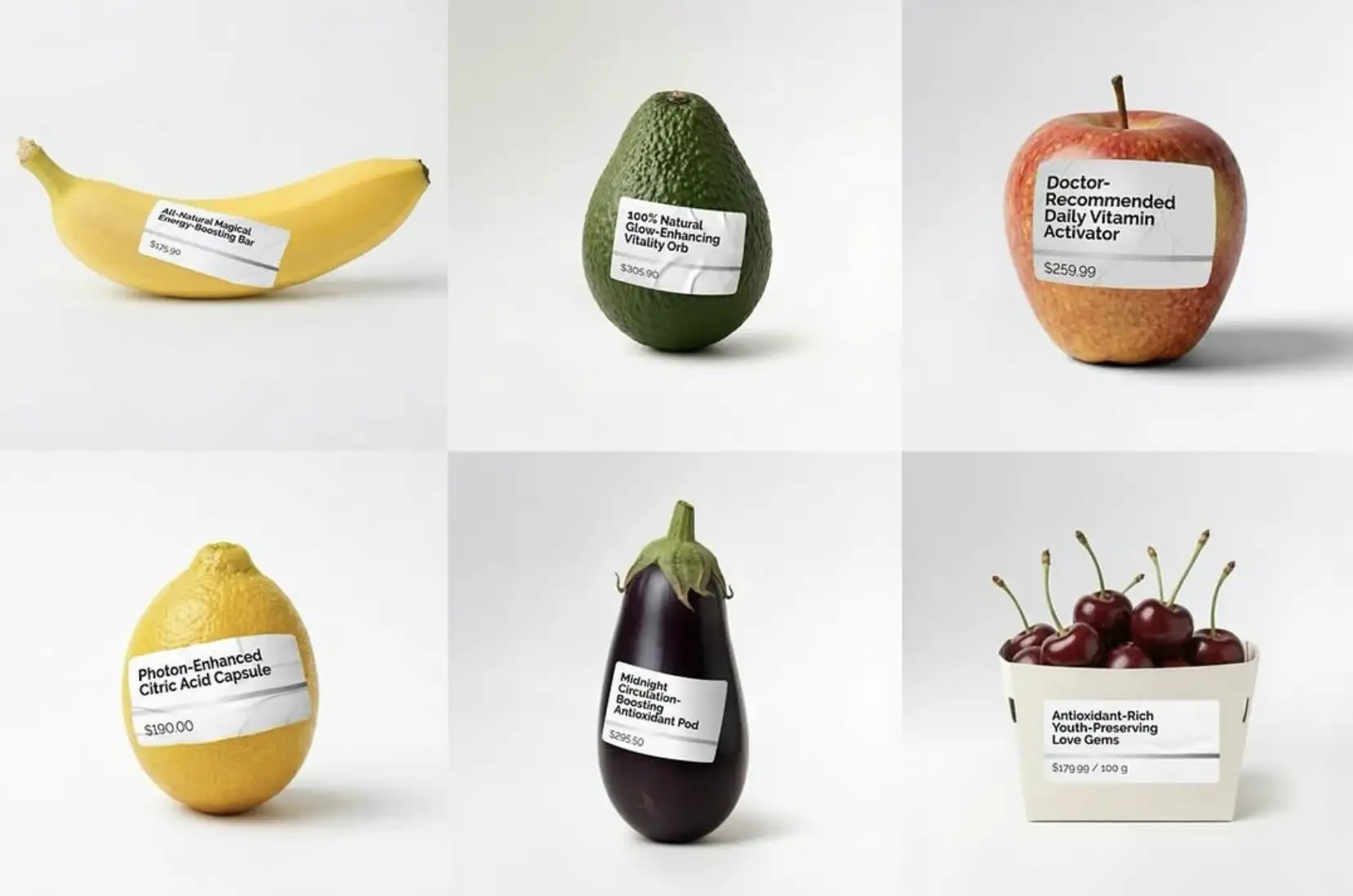 It’s brilliant because it gets the point across immediately. Most people do not understand cosmetic formulations or ingredient sourcing, but they know roughly what a banana or avocado should cost. And when marketing fluff is applied to fruit, the language sounds ridiculous. And that is exactly the point.
This is very on-brand for The Ordinary. This is the same company behind The Periodic Fable, a campaign that used storytelling to challenge skincare myths and make complex science more accessible. They’ve built their brand on transparency and holding a mirror to an industry that relies on inflated claims, complicated terminology, fancy packaging and celebrity endorsements to make ordinary things feel extraordinary.
It’s a good reminder that the best marketing does not tell people what to think; it takes what people quietly suspect and makes it impossible to unsee. This campaign brings that positioning to life in a way that is visual, memorable and instantly understood.
If you love what we’ve shared above and want to be kept in the loop with our weekly email, The Brief, you can sign up here. We’ll only send you things we love and think you’ll find useful, and you can unsubscribe at any time.
And if you need some help exploring any of the above within your own marketing strategy, or you need a rebrand, a custom website built from scratch, Google or social ads, print materials, blog posts – or the whole lot – we’d love to chat.