 By Lucy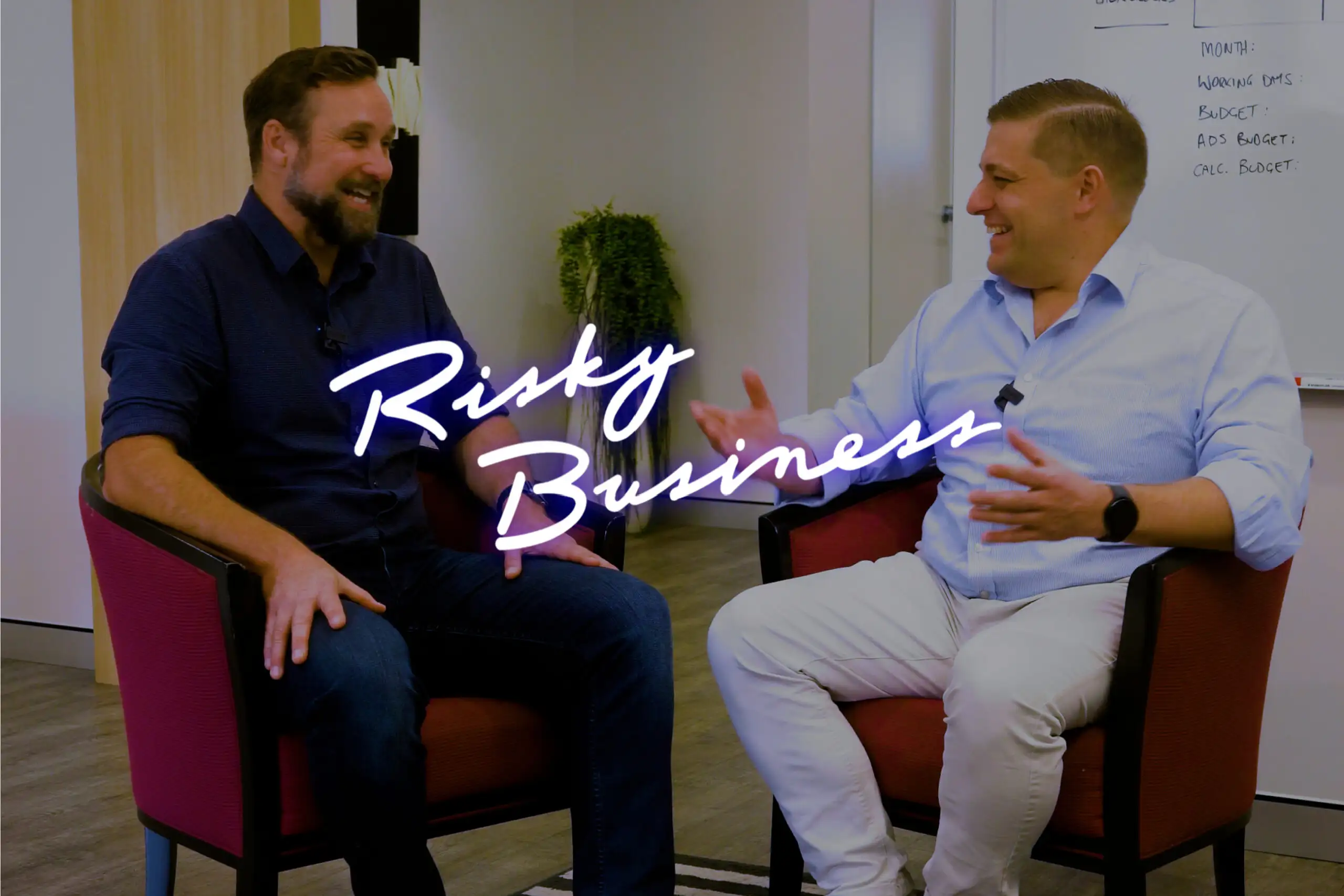
 By Lucy
Some risks are loud. Big bets. New ventures. Bold leaps.
Others are quieter. They look like showing up to the same car park for nearly three decades. Like choosing to stay when it would be easier to chase the next shiny thing.
For Nelson, Managing Director of Elite Medical, one of the biggest risks of his career wasn’t starting something new. It was committing to the long game – inside a family business.
“I’ve been in the same job for 27 years,” he says. “But I feel like I’ve been job hopping for 27 years within the same walls.”
Elite Medical supplies instruments and consumables to health service providers, supporting the people and systems that operate behind the scenes of healthcare. It’s not glamorous work, but it’s critical.Nelson joined the family business straight out of school in 1998.
“I started in the warehouse, just packing up parcels,” he says. “And then went into customer service and purchasing… then sales and marketing and product development.”
Changing roles so many times within the company across those 27 years gave him something few leaders ever develop: a deep understanding of how the business works from the inside out.
One of the most powerful moments in the conversation comes when Nelson reflects on a shift in mindset that shaped how he leads.
“Nobody’s coming to save you.”
That realisation was reinforced by advice from a mentor that stuck.
“Take the bull by the horns.”
For Nelson, leadership isn’t about standing back and directing. It’s about stepping into risk.
“That was a real mindset change for me. You can see the problems and you can complain about the problems,” he says.
“But it’s up to you to fix the problems.”
When the conversation turns to leadership confidence, Nelson doesn’t talk about personality or authority. He talks about preparation.
“The more tools you got in your toolbox, the more you’re being exposed to different ways of doing something; that gives you more confidence to to be able to make the decisions you need to make.”
Over the years, he’s invested heavily in professional development and his goal is to continue to do more.
“I wish I could have invested in myself a lot earlier,” he says.
“So that’s what I’m trying to do from here on in: every year, try and find a course that relate to the business, and to do that.”
During COVID, Nelson launched a business outside Elite Medical’s core industry; a superfoods company. It was well researched (so he thought), launched, and initially showed promise.
Then the market changed.
“2023 interest rates start to rise, cost of living starts to catch up with everyone and the consumer’s taste for or desire for paying for premium healthy products just disappeared overnight,” he says.
“In 2022, we had some of the big supermarkets showing quite a lot of keen interest. And then by 2023, they didn’t even want to talk about it.”
But he says he gave him a massive amount of insights into brand management and product management, and even dealing with conglomerates like supermarkets.
“You never lose,” he says. “You either win or you learn, don’t you? And that was definitely a learn.”
For all the talk of staying power, Nelson is open about the moments where leaving felt tempting.
“I’ve been pulling up to the same car park for 28 years,” he says.
“And I’ve definitely had moments where I do not want to come to this car park again.”
It’s not a polished version of family business. It’s the honest one. The repetition, the pressure, the responsibility.
“You can let your emotions take over at that point,” Nelson says.
“But you’ve got to sit back and realise, well, is the bigger opportunity starting with what I know, or is the bigger opportunity out there in the wild unknown?”
Staying wasn’t always the comfortable option. It was a decision he had to keep making.
“The grass is always greener,” he says. “But it’s always harder to stick with it.”
When it comes to good investments, Nelson doesn’t talk about technology or products.
He talks about a room.
“I don’t know if it’d be the best investment, but one investment that did pay off in the early days was setting up a proper boardroom,” he says.
At the time, it felt simple. Almost symbolic.
“It was a space where you could go away from the day-to-day and really focus on the bigger problems, or interview staff.”
The centrepiece was a three-metre whiteboard that almost didn’t make it inside.
“Anyway, it got delivered, and we tried to get it into the boardroom; the boardroom is up the stairs and around the corner, and there was just no way we could get it in,” he laughs. “In the end, we had to get it fork-lifted through a window.”
It was worth it.
“It helped elevate our decisions. Like, you know, it made us feel more serious about business. Just having a dedicated space you could go to and this huge surface that you can just throw your thoughts up and brainstorm. It was a great investment in the early days when there wasn’t much cash.” The other important investment? Personal development.
“The the money you spend on just learning more about anything is good money spent.”
If Nelson could go back and give his younger self advice, it wouldn’t be about speed.“As an 18 year old, even early twenties, you want to see results so fast; you want to get ahead in life so quick.”“What I would say to myself is “Don’t expect to get results so quick. Put your effort into your inputs at that age; your input into your job and your career and your professional development – your investments if you’ve got them – and financial planning.”
“The outputs will come in time and you will get a lot more high quality output if you put the time in input.
“Late teens, early twenties should all be about setting yourself up for the best success for the rest of your life.
When it comes to books, Nelson laughs that he’s very good at buying them, even if he doesn’t always finish them.
But a couple stand out.
One he read as a late teen is The 7 Habits of Highly Effective Teens by Sean Covey.
“You’ve probably heard of The 7 Habits of Highly Effective People…by Stephen Covey. This one is written by his son. It’s a lot simpler language,” he says, “but the same principles apply, the same 7 habits.”
He read it young, before leadership titles or responsibilities, and it stuck.
“That had a huge impact on me. It was probably my first introduction to emotional intelligence,” he says. “Or just how to relate to people, or how to get ahead in life.”
The other is The Go-Giver.
“It flips the idea of being a go-getter on its head,” Nelson explains.“The more value you give, without any expectation of return, the more comes your way.”
It’s a simple idea, but one he’s seen play out again and again – in business, and in life.